
Bathroom Lighting Zones: What You Need to Know Before Installing
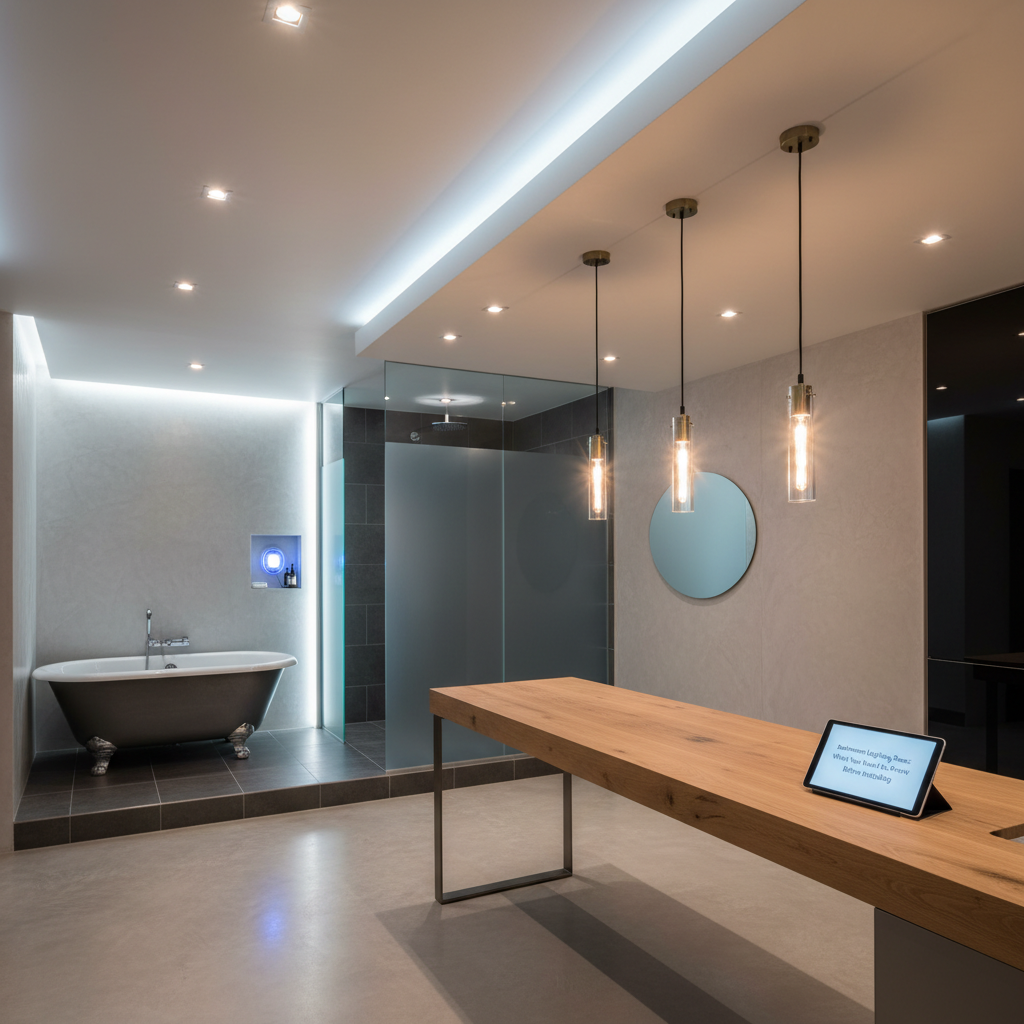
When planning any electrical installation in your home, safety is paramount. This is especially true in areas where electricity and water mix, such as your bathroom. Understanding bathroom lighting zones UK regulations is not just a recommendation; it's a legal requirement designed to protect you and your family from electrical hazards. At Orsidaen Electrical Services, based right here in Winchester, Hampshire, we specialise in ensuring your electrical installations are not only functional and aesthetically pleasing but also fully compliant with the latest safety standards.
Why Are Bathroom Lighting Zones So Important?
Bathrooms are inherently high-risk environments for electrical installations. Water is an excellent conductor of electricity, and the combination of splashes, steam, and direct contact with water sources like showers and baths creates a dangerous scenario if electrical fittings aren't correctly specified and installed. To mitigate these risks, UK electrical regulations, specifically BS 7671 (the IET Wiring Regulations, currently in its 18th Edition), define specific zones within a bathroom. Each zone dictates the minimum IP (Ingress Protection) rating required for any electrical equipment installed within it.
The IP rating system consists of two digits: the first indicates protection against solids (like dust), and the second indicates protection against liquids (like water). The higher the number, the greater the protection. For bathrooms, the second digit is particularly crucial.
Understanding the Different Bathroom Lighting Zones UK
Let's break down the different zones you need to be aware of when considering any electrical work in your bathroom, from a simple light fitting replacement to a full renovation.
Zone 0: Inside the Bath or Shower Tray
This is the most critical and highest-risk zone. Zone 0 refers to the interior of the bath or shower tray itself. Any electrical fitting installed here must be completely submersible.
* IP Rating Requirement: Minimum IPX7. This means it must be protected against the effects of temporary immersion in water. * Permitted Fittings: Typically, only low-voltage (12V) fittings specifically designed for immersion are allowed, such as jet lights or lights integrated into the shower head. These must be supplied by a SELV (Separated Extra-Low Voltage) transformer located outside of Zone 0, 1, or 2.
Zone 1: Above the Bath or Shower
Zone 1 extends vertically from the edge of the bath or shower tray up to a height of 2.25 metres from the floor. This area is subject to splashes and direct spray.
* IP Rating Requirement: Minimum IPX4. This signifies protection against splashing water from any direction. * Permitted Fittings: Lights, shaver sockets (only if they are of the SELV type and the transformer is outside the zone), and extractor fans are common here. All fittings must be suitable for Zone 1 and supplied by a SELV transformer if they are low voltage.
Zone 2: Adjacent to the Bath or Shower
Zone 2 extends 0.6 metres horizontally outwards from Zone 1 (or the edge of the bath/shower if there is no Zone 1, e.g., a wet room floor) and up to a height of 2.25 metres from the floor. This area is likely to experience splashes.
* IP Rating Requirement: Minimum IPX4. Again, protection against splashing water is required. * Permitted Fittings: As with Zone 1, lights, shaver sockets, and extractor fans are common. Heaters and other appliances may also be permitted if they meet the IPX4 rating.
Outside the Zones (Previously Zone 3 / Unzoned Area)
Beyond Zone 2, there is no specific "Zone 3" as per the current regulations. This area is considered "outside the zones." While the risk is significantly lower here, it doesn't mean you can install just any fitting.
* IP Rating Requirement: While not strictly mandated by a zone, it's generally recommended that fittings in this area still have at least an IP20 rating to protect against solid objects and accidental contact. For fittings that might be exposed to steam or condensation, a higher IP rating (e.g., IPX4) is still advisable, especially within 3 metres of the bath or shower. * Permitted Fittings: Most standard light fittings, switches, and sockets are permitted here, provided they are not directly exposed to water. RCD (Residual Current Device) protection is mandatory for all circuits supplying a bathroom, regardless of zone.
Practical Advice for Homeowners in Winchester and Hampshire
* Always Check IP Ratings: Before purchasing any light fitting or electrical appliance for your bathroom, always check its IP rating. This information should be clearly displayed on the product packaging or specification. * Consider the Whole Bathroom: Think about how water might splash or steam might spread. A small en-suite might have different considerations than a large family bathroom. * Don't DIY Electrical Work: Unless you are a qualified electrician, never attempt electrical installations in your bathroom yourself. The risks are too high. Incorrect wiring or unsuitable fittings can lead to electric shock, fire, or even fatalities. * Consult a Qualified Electrician: This is the most crucial piece of advice. A NICEIC-approved electrician like Orsidaen Electrical Services understands the intricacies of bathroom lighting zones UK regulations and can advise on the best and safest solutions for your specific bathroom layout. We can help you choose appropriate fittings, ensure correct installation, and provide the necessary certification. * RCD Protection is Essential: Ensure your bathroom circuits are protected by a Residual Current Device (RCD). This device quickly cuts off power if it detects an earth fault, significantly reducing the risk of electric shock. Modern consumer units (fuse boxes) typically have RCD protection as standard, but older installations may need an upgrade.
Why Choose Orsidaen Electrical Services?
With over 20 years of experience, Chris Brockway and the team at Orsidaen Electrical Services are your local experts for safe and compliant electrical installations in Winchester, Andover, Basingstoke, and across Hampshire. We pride ourselves on our meticulous attention to detail and our commitment to safety. Whether you're renovating your bathroom, installing new lighting, or simply need advice on existing fittings, we can ensure your electrical work adheres to BS 7671 and provides you with peace of mind.
Don't compromise on safety when it comes to your bathroom. For professional advice and installation regarding bathroom lighting zones UK regulations, contact Orsidaen Electrical Services today. Call us on 01962 809912 or email [email protected] to discuss your requirements. We're here to help make your bathroom both beautiful and safe.
Need Help?
If this article has raised any concerns about your electrical installation, get in touch for a free assessment.
01962 809912Send a MessageMore Articles
- How Much Does a Fuse Board Upgrade Cost in Winchester?
- Do I Need an Electrical Safety Inspection for My Home Extension in Winchester?
- Do I Need an Electrical Safety Certificate When Buying a Home in Winchester?
- 5 Signs Your Winchester Home Needs a Fuse Board Upgrade
- The Complete Guide to EV Charger Installation for Hampshire Homeowners
- Winter Electrical Safety Tips for Older Homes in Winchester
- EICR for Landlords in Winchester: Everything You Need to Know in 2026
- Smart Home Electrical Upgrades: A Guide for Hampshire Homeowners
- Emergency Electrician in Winchester: What to Expect When You Call
- Rewiring a Period Property in Winchester: What You Need to Know
- A Day in the Life of an Electrician in Winchester
- How Much Does an EV Charger Cost to Install in Winchester?